Homeowners Insurance
-
Does homeownrs insurance cover lightning and power surges?
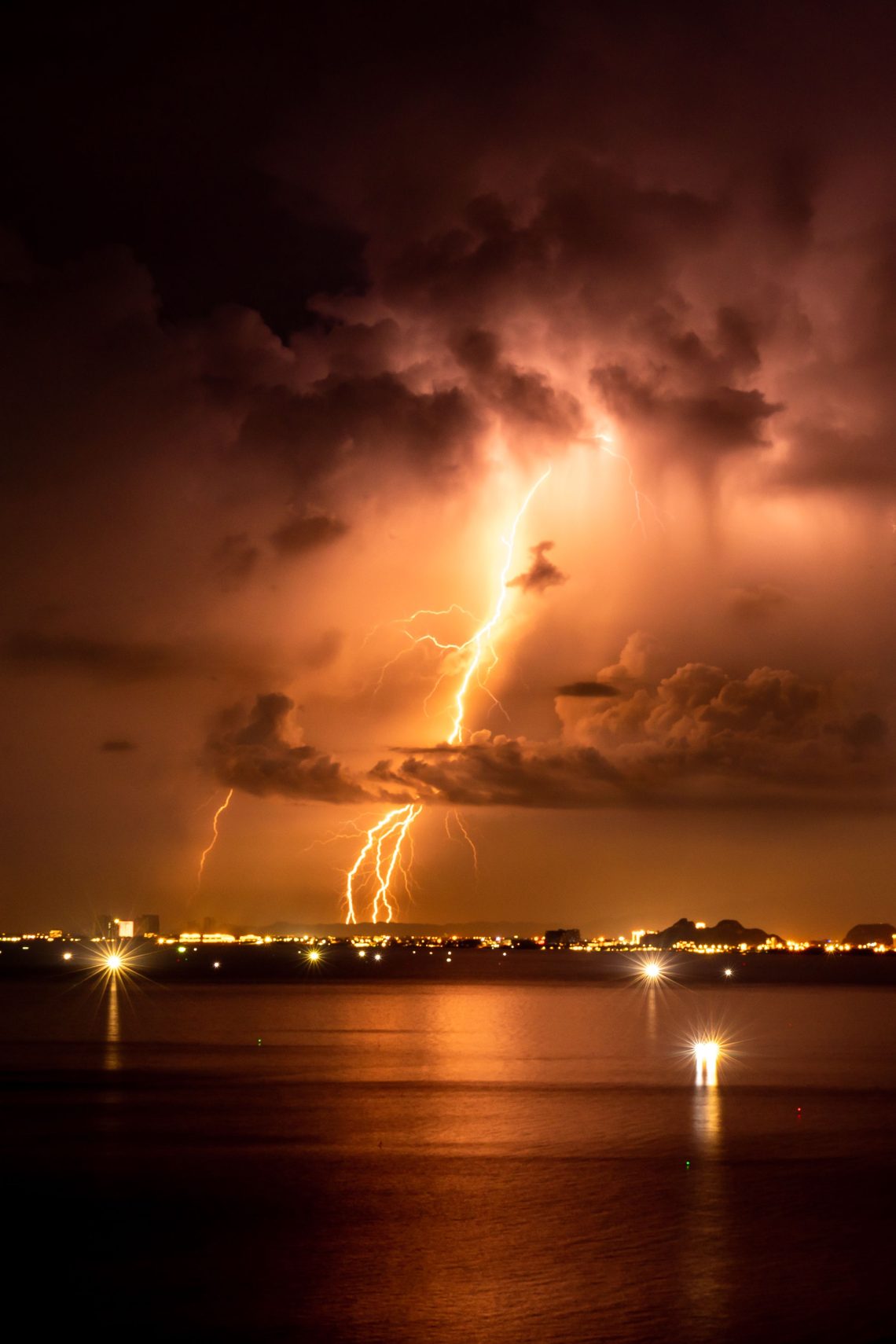
A sudden summer thunderstorm rolls in, lightning cracks directly overhead, and within a split second, your lights flash and the TV goes black. When the storm passes, you discover your smart refrigerator, entertainment system, and HVAC unit are completely dead. As modern households fill with thousands of dollars in sensitive electronics and appliances, electrical damage is a growing threat. But when disaster strikes, does your homeowners insurance policy actually have your back? The short answer is: usually yes for lightning, but it depends when it comes to power surges. Understanding how insurance carriers differentiate between natural atmospheric events and grid-level electrical hiccups can save you thousands of dollars in denied…
-
Tips for purchasing homeowners insurance in Bend Oregon
Buying a home in Bend, Oregon means trading city bustle for ponderosa pines, mountain views, and world-class recreation. However, Central Oregon’s unique high-desert geography also brings distinct property risks. Securing the right homeowners insurance requires looking beyond standard coverage limits. 1. Factor in Wildfire Risk Early Wildfire exposure is the primary driver of insurance rates and policy availability in Deschutes County. Properties situated along the Wildland-Urban Interface (WUI)—especially on the Westside, Skyliners corridor, or near Deschutes National Forest—face strict underwriting. Before making an offer or removing loan contingencies, obtain a written insurance quote on the specific parcel to avoid unexpected five-figure premiums or non-renewal hurdles. 2. Invest in Defensible Space…
-
Navigating Homeowners Insurance in Bend, Oregon: A Practical Guide
-
5 Hidden Blind Spots in Standard Homeowners Insurance (And How to Fix Them)
Most homeowners assume that having an active insurance policy means their property is fully protected against whatever life throws at it. The reality is that standard policies (like typical HO-3 forms) come with specific exclusions and sub-limits that can leave you paying thousands out of pocket if a disaster strikes. Reviewing your coverage before a claim happens is the best way to safeguard your home and budget. Here are five of the most common coverage gaps and how to address them. 1. Water Backups and Sump Pump Failures Standard policies cover sudden and accidental water damage from internal plumbing (like a burst pipe), but they exclude water that backs up…
-
If Someone Gets Hurt at Your House, How Does Coverage F Help?
Hosting a dinner party, hosting your kid’s birthday, or having a neighbor stop by for coffee is part of what turns a house into a home. But if a guest trips over a stray dog toy or slips on a wet patio step, an enjoyable afternoon can quickly turn into a stressful trip to urgent care. When someone gets hurt on your property, standard homeowners insurance steps in to cushion the financial impact. While most people think of major lawsuit protection—known as Coverage E (Personal Liability)—there is a smaller, lesser-known HERO component built into almost every policy: Coverage F, officially called Medical Payments to Others. Here is how Coverage F…
-
Understanding homeowners insurance in Central Oregon
Managing a home in Central Oregon is an incredible experience, but our stunning high desert landscape comes with its own unique set of environmental and economic realities. From the towering pines of Bend and Redmond to the resort communities of Sunriver and Sisters, protecting your piece of the Pacific Northwest means understanding how local factors directly impact your homeowner’s insurance policy. Whether you are buying your first home in Deschutes County or looking to optimize your current coverage, navigating the local insurance landscape requires a strategy tailored to our region. Here is a comprehensive look at the top factors shaping homeowners’ insurance in Central Oregon today, and the exact steps…
-
Homeowners insurance covers backyard celebrations
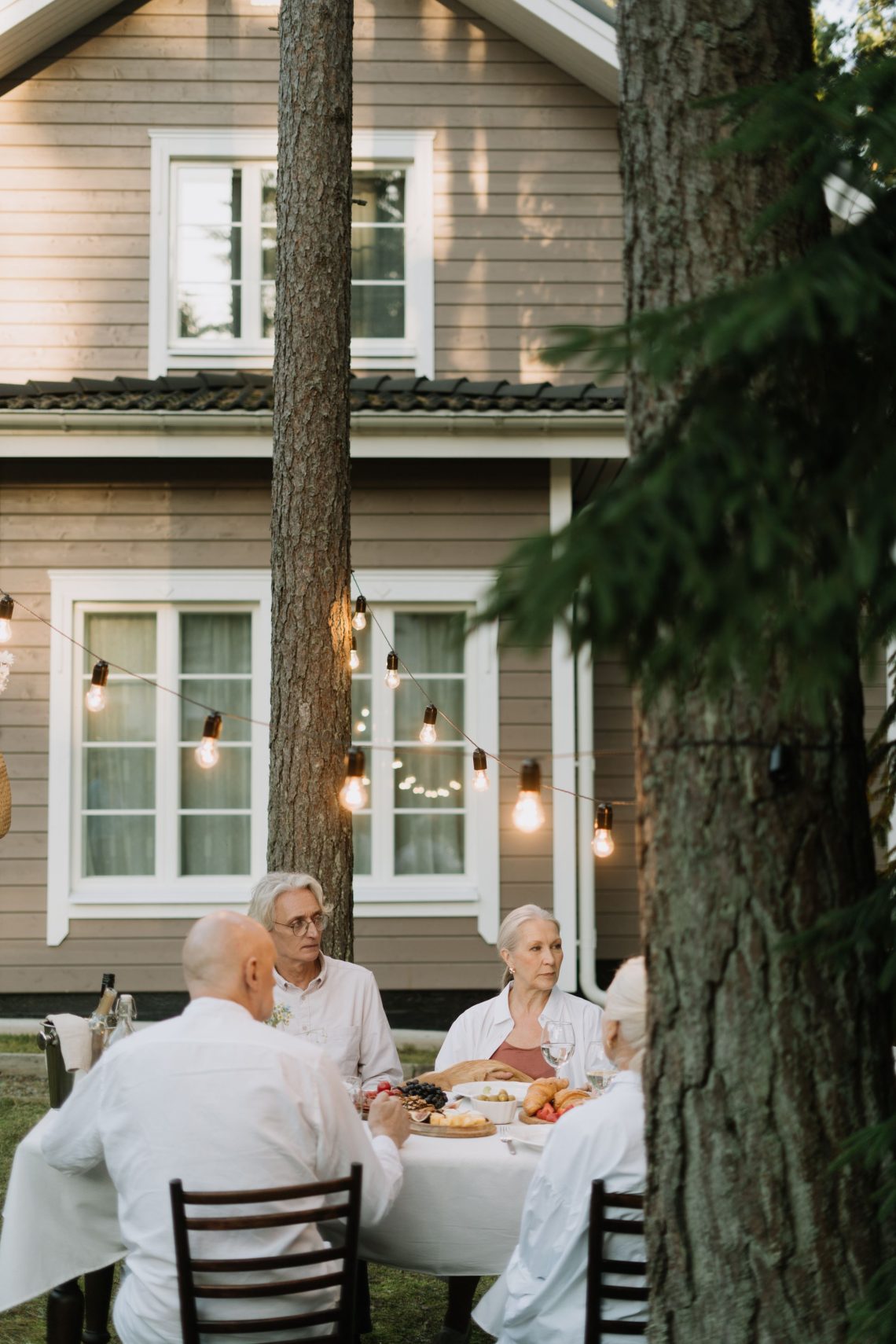
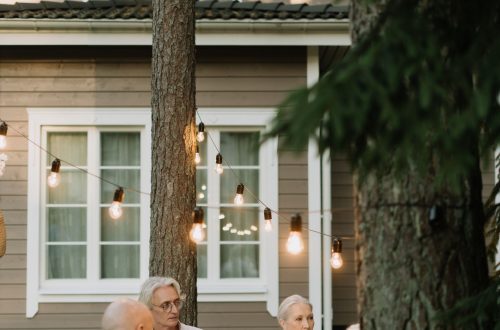
There is nothing quite like a backyard celebration. Whether it is a summer barbecue, a graduation party, or an intimate outdoor wedding, bringing friends and family together in your own space creates lasting memories. However, hosting a large group also introduces unique risks. Before you fire up the grill or string up the patio lights, it is important to understand how your homeowner’s insurance protects you—and where the gaps might lie. The Safety Net: Personal Liability and Medical Payments If an accident occurs during your gathering, a standard homeowners insurance policy provides a crucial financial safety net through two main components: Personal Liability Coverage: This kicks in if a guest…
-
12 Steps to Protect Your Home During Fire Season
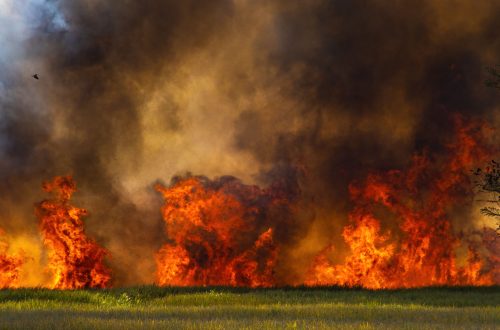
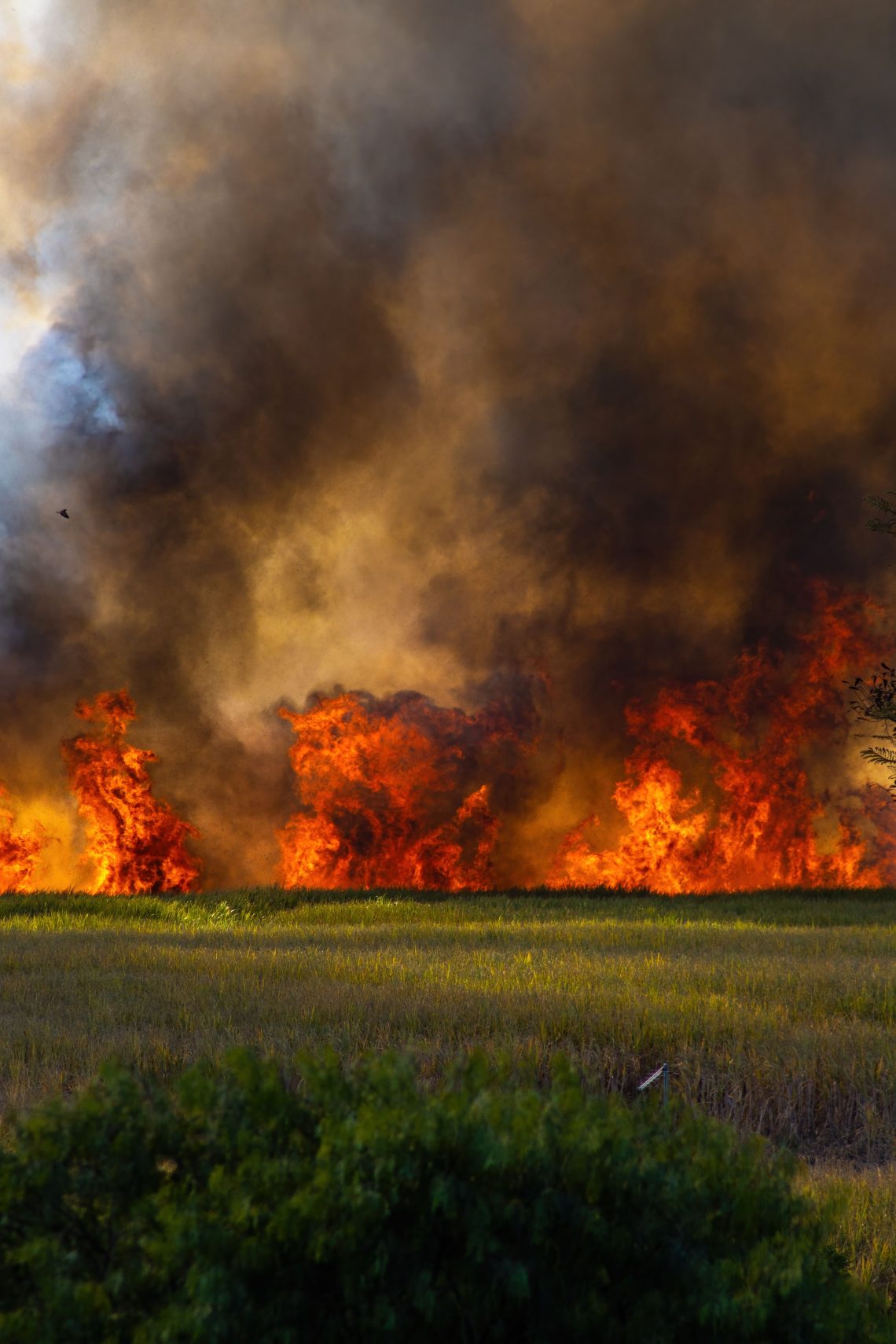
Fire season is no longer just a few weeks out of the summer—in many areas, it is a year-round reality. While you can’t control the weather or stop a wildfire from starting, you have an incredible amount of control over how vulnerable your property is. As a homeowner, taking proactive steps doesn’t just protect your structure; it can significantly influence your homeowners insurance options and peace of mind. Here is a definitive, step-by-step checklist to prepare your home before the smoke appears. Phase 1: Defensible Space (Zones 0 to 2) The concept of “defensible space” means creating a buffer zone between your home and the oncoming fire. This slows the…
-
The Ultimate Peace of Mind: Why You Need a Home Inventory
Thinking about creating a home inventory? We secure our homes with deadbolts, alarm systems, and comprehensive insurance policies to shield our families and hard-earned belongings from the unexpected. Yet if disaster strikes—whether a burst pipe, a break-in, or a natural catastrophe—most homeowners face a surprising hurdle: remembering exactly what they own. This is where a comprehensive home inventory becomes your most vital financial safeguard. A home inventory is a detailed record of your personal property. In the chaotic aftermath of a loss, trying to recall every book, appliance, and piece of clothing from memory is incredibly stressful and almost always results in undervalued insurance payouts. Having a pre-made catalog streamlines…
-
Understanding Coverage D: Loss of Use
When a catastrophe strikes, the damage to a home is often only the beginning of a homeowner’s financial burden. Coverage D, commonly known as Loss of Use or Additional Living Expenses (ALE), is a standard component of homeowners’ insurance that covers the costs of living elsewhere while a residence is being repaired or rebuilt (Bertelsen, 2020). Key Components of Coverage D This protection typically triggers when a “covered peril”—such as fire, windstorm, or lightning—renders the primary dwelling uninhabitable. It generally includes three main types of support: Additional Living Expenses (ALE): This covers increases in living costs, such as hotel stays, temporary apartment rentals, and even restaurant meals that exceed the…