-
What Is Personal Property Coverage?
Personal property coverage—often labeled Coverage C in a standard homeowners policy—pays to repair or replace your personal belongings if they are stolen, damaged, or destroyed by a covered hazard. A simple way to picture it: if you turned your house upside down and shook it, everything that falls out is personal property. That includes furniture, electronics, clothing, kitchenware, bikes, and outdoor gear. Whether items are ruined inside your home, stolen out of your locked vehicle, or destroyed while traveling, this coverage follows your possessions nearly anywhere. Why It Matters: Cash Value vs. Replacement Cost Most people drastically underestimate the collective value of their possessions. A wardrobe, a home office setup,…
-
Stopping Minor Issues Before They Become Major Disasters
Smart home technology is often celebrated for its daily convenience—setting voice-activated routines, adjusting lighting with a tap, or unlocking doors remotely. However, the most valuable aspect of connected home devices lies beneath the surface: proactive hazard detection. Rather than merely responding to damage after it occurs, modern smart home systems act as continuous diagnostic networks, detecting subtle anomalies and alerting homeowners before small malfunctions turn into catastrophic repairs. Catching Water Damage at the Source Water leaks are among the most frequent and costly home insurance claims, often going unnoticed behind walls, beneath appliances, or in basements until structural damage takes hold. Smart water leak detectors and inline pipe monitors change…
-
7 warning signs that your roof needs to be replaced
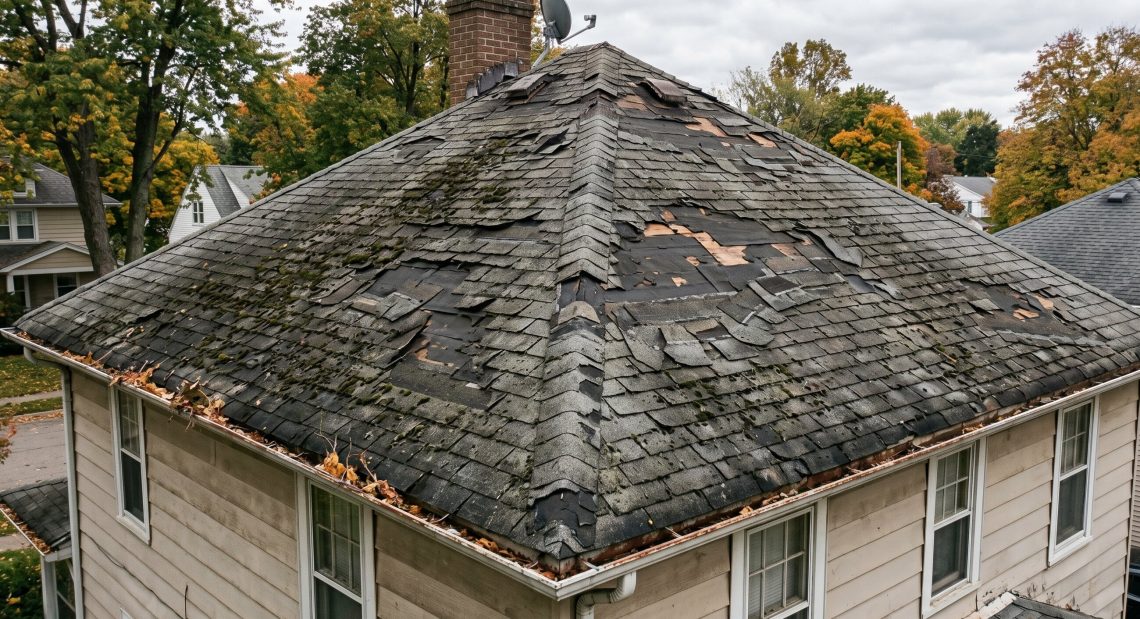
Your home’s roof is its first line of defense against the elements, but it won’t last forever. While a complete replacement is a significant investment, catching the warning signs early can save you from catastrophic water damage and skyrocketing repair bills down the road. Here are 7 clear warning signs that your roof is reaching the end of its lifespan: 1. Age of the Roof Most standard asphalt shingle roofs are designed to last between 15 and 25 years. If your roof is approaching or has passed its 20th birthday, it is vulnerable to failure even if it looks fine from ground level. 2. Curling, Buckling, or Missing Shingles Take…
-
Understanding Coverage D: Loss of Use
When a catastrophe strikes, the damage to a home is often only the beginning of a homeowner’s financial burden. Coverage D, commonly known as Loss of Use or Additional Living Expenses (ALE), is a standard component of homeowners’ insurance that covers the costs of living elsewhere while a residence is being repaired or rebuilt (Bertelsen, 2020). Key Components of Coverage D This protection typically triggers when a “covered peril”—such as fire, windstorm, or lightning—renders the primary dwelling uninhabitable. It generally includes three main types of support: Additional Living Expenses (ALE): This covers increases in living costs, such as hotel stays, temporary apartment rentals, and even restaurant meals that exceed the…
-
How Oregon’s Climate Impacts Homeowners Insurance
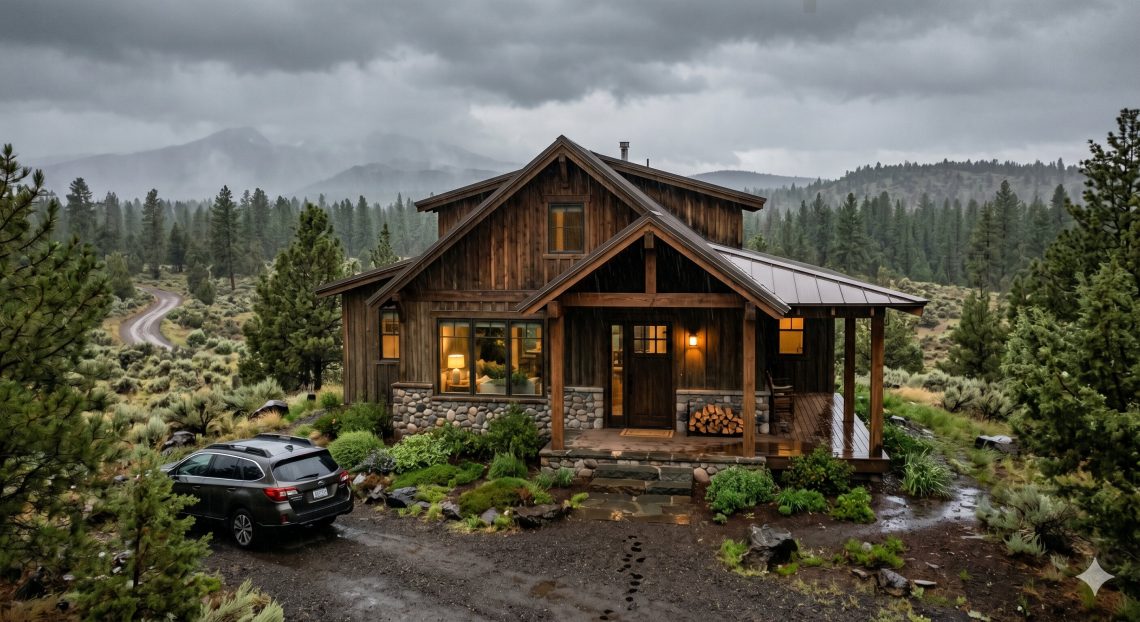
In Central Oregon, the high desert landscape is as famous for its rugged beauty as it is for its climatic volatility. For homeowners in Bend, Redmond, and the surrounding Cascades, the environment is no longer just a backdrop for recreation—it is the primary architect of their insurance premiums. As of 2026, the intersection of shifting climate patterns and a tightening insurance market has turned “wildfire risk” from a regional concern into a defining financial factor for property owners. The Wildfire Reality and Premium Spikes Central Oregon’s climate is characterized by low humidity, frequent lightning, and persistent drought cycles—a trifecta for wildfire activity. While the region has always been fire-prone, the…
-
The High Desert’s Crown Jewel: About Bend Oregon
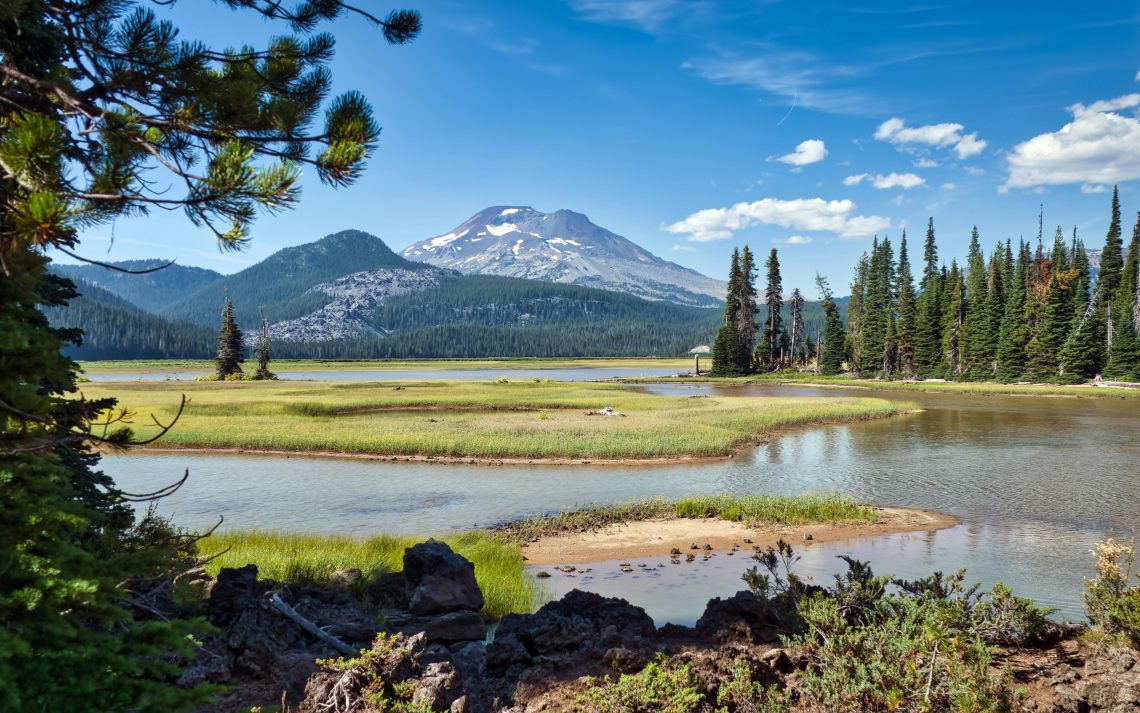
Nestled between the Great Basin and Cascade Mountains, Bend, Oregon, has grown from a logging town into a premier destination in the American West. With over 100,000 residents, it blends urban sophistication with unspoiled outdoor access, emblematic of the Pacific Northwest. The Outdoor Enthusiast’s Playground Bend’s appeal starts with its landscape. At 3,623 feet, the city enjoys a dry, high-desert climate and nearly 300 sunny days yearly, making it a year-round adventure base: Winter: Just 20 miles away, Mt. Bachelor offers renowned skiing and snowboarding, with a 360-degree summit descent and over 4,300 acres of terrain. Summer: As snow recedes, attention turns to the Deschutes River, cutting through the city.…
-
The 5 things in a home that cause house fires
When it comes to your home, “peace of mind” isn’t just a catchy phrase—it’s a priority. As a Oregon homeowner, you work hard to create a safe sanctuary for your family, but even the most well-kept houses have hidden risks. According to the National Fire Protection Association (NFPA), hundreds of thousands of home structure fires occur each year, many of which are preventable. To help you stay proactive, we’ve rounded up the top five most common causes of house fires and, more importantly, how you can prevent them. 1. Cooking Equipment It’s no surprise that the kitchen is the most dangerous room in the house. Cooking is the leading cause…
You May Also Like

Six Essential Items Every Homeowner Should Have for Emergencies
-
Homeowners Insurance In Central Oregon – What To Expect In 2026
Whether you are settling into a new build in Northwest Crossing or have owned your family home in Larkspur for decades, one thing is sure: the landscape of homeowners’ insurance in Central Oregon is changing. As we head into 2026, homeowners are facing unique challenges—from evolving wildfire risks to rising reconstruction costs. Understanding these shifts is the first step toward protecting your most significant investment. Here is what you need to know about the current state of home insurance in Bend and beyond. The Wildfire Factor: Navigating High-Risk Zones In Central Oregon, wildfire risk is more than just a seasonal concern; it is a primary driver of insurance availability and…
-
The Importance of Liability Coverage in Homeowners Insurance
Homeowners insurance is often viewed primarily as a safeguard for your home’s physical structure and personal belongings. While protecting your property from fire, theft, and natural disasters is essential, there’s another equally important component that is sometimes overlooked—liability coverage. This coverage protects you financially if you are found legally responsible for injuries or property damage to others. What Is Liability Coverage? Liability coverage in a homeowners insurance policy helps cover costs if someone is injured on your property or if you accidentally cause damage to someone else’s property. For example, if a guest slips on your icy driveway and suffers a serious injury, you could be held liable for their…
-
Home Inventory and Faster Insurance Claims
A comprehensive homeowners insurance policy is essential in the event of fire, theft, or natural disaster. However, insurance cannot replace items that cannot be documented. A home inventory is a valuable tool for protecting your property and streamlining the claims process. What Is a Home Inventory? A home inventory is a detailed record of the personal belongings in your home. This list includes descriptions, estimated values, serial numbers, receipts, and photos or videos of items such as electronics, furniture, jewelry, appliances, clothing, and even collectibles. Home inventories can be kept in physical format, digitally in spreadsheets, or in specialized apps designed for this purpose. The more thorough and organized the…