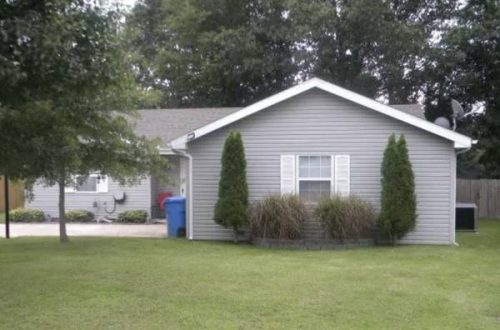
Differences between condo vs homeowners insurance
Researching condo vs homeowners insurance? Whether you are settling into a high-rise with a city view or a quiet suburban house with a white picket fence, protecting your investment is a top priority. However, the type of insurance you need depends entirely on the legal structure of your property.
While both policies offer liability and personal property protection, the “bones” of what you actually own—and what you are responsible for—differ significantly. Here is a breakdown of the key differences between condo (HO-6) and homeowners (HO-3) insurance.
1. Condo vs homeowners insurance: What is Covered?
The most fundamental difference lies in the dwelling coverage.
- Homeowners Insurance (HO-3): When you own a single-family home, you generally own everything from the rooftop to the underground pipes. Your policy is designed to cover the entire physical structure, including exterior walls, roof, foundation, and any attached structures such as a garage or deck.
- Condo Insurance (HO-6): In a condo, you share the building with other residents. The condo association typically carries a “master policy” that covers the building’s exterior and common areas (elevators, hallways, and roofs). Your individual HO-6 policy is “walls-in” coverage. It protects the interior of your unit—such as your flooring, cabinetry, sinks, and wallpaper.
2. Shared Responsibility vs. Total Control
In a traditional home, you are the sole decision-maker. If a windstorm rips off three shingles, you file a claim with your insurance.
In a condo, responsibilities are split. This leads to a unique feature of condo Oregon insurance called Loss Assessment Coverage. If a common area—like the complex swimming pool or the lobby—is damaged and the cost exceeds the condo association’s master policy limit, the association may “assess” each unit owner a portion of the bill. A good HO-6 policy includes coverage to help pay your share of these unexpected assessments.
3. Understanding the Policy Structures
To visualize how these two policies interact with the physical property, consider the boundaries of ownership:
|
Structure
|
Full exterior and interior | Interior walls and finishes only |
|
Land/Yard
|
Covered (Landscaping, fences) | Usually covered by Association |
|
Other Structures
|
Sheds/Detached Garages covered | Typically not applicable |
|
Liability
|
Covers your entire property | Covers inside your unit |
4. Personal Property and Liability
This is where the two policies meet. Both HO-3 and HO-6 provide:
- Personal condo vs homeowners insurance Property Coverage: This protects your “stuff”—electronics, furniture, clothes, and appliances. Whether you live in a house or a condo, if a fire destroys your laptop, your insurance helps replace it.
- Personal Liability: If a guest slips on a spilled drink in your kitchen and sues you, both policy types provide coverage for legal fees and medical expenses.
- Loss of Use: If your home or condo becomes uninhabitable due to a covered claim (like a fire), both policies pay for “additional living expenses,” such as hotel stays and restaurant meals, while repairs are made.
5. Cost Comparisons
Generally, condo insurance is significantly cheaper than homeowners’ insurance.
Why? Because a condo owner is only insuring a fraction of the total building. The insurance company isn’t factoring in the cost of replacing a roof, siding, or a massive foundation. A homeowner, conversely, is responsible for the replacement cost of the entire structure and the land improvements, which leads to higher premiums.
Which One Do You Need?
The choice isn’t usually a matter of preference, but a requirement of your property deed. If you are part of a Homeowners Association (HOA) that maintains a master policy for the building’s shell, you need an HO-6. If you are the king or queen of your own plot of land and are responsible for the roof over your head, you need an HO-3.
Before signing any policy, always review your condo association’s bylaws to see exactly where their coverage ends and yours begins. Some associations have “all-in” policies that cover original fixtures, while others have “bare walls” policies that require you to insure everything down to the plumbing fixtures. Understanding these nuances is the best way to ensure you aren’t left underinsured when it matters most.
Get an affordable condo vs homeowners insurance quote today by calling us at (541) 318-8835 or click here to connect with us online.


You May Also Like

Homeowners Insurance – Will Cost Rise In 2024?

The Advantages of Replacement Cost Coverage for Your Home