-
Tips for purchasing homeowners insurance in Bend Oregon
Buying a home in Bend, Oregon means trading city bustle for ponderosa pines, mountain views, and world-class recreation. However, Central Oregon’s unique high-desert geography also brings distinct property risks. Securing the right homeowners insurance requires looking beyond standard coverage limits. 1. Factor in Wildfire Risk Early Wildfire exposure is the primary driver of insurance rates and policy availability in Deschutes County. Properties situated along the Wildland-Urban Interface (WUI)—especially on the Westside, Skyliners corridor, or near Deschutes National Forest—face strict underwriting. Before making an offer or removing loan contingencies, obtain a written insurance quote on the specific parcel to avoid unexpected five-figure premiums or non-renewal hurdles. 2. Invest in Defensible Space…
-
What is condo insurance? Why is it needed if you’re a condo owner?
Condo living offers low-maintenance freedom, but one critical myth catches many owners off guard: assuming the condo board’s insurance covers everything. The homeowners association (HOA) maintains a master policy, but it primarily covers shared exterior structures, lobbies, elevators, and grounds. To protect what sits within your unit’s walls, you need individual Oregon condo insurance—standardly known as an HO-6 policy. What an HO-6 Policy Protects Dwelling Coverage: The HOA master policy determines where its coverage ends and yours begins. If your HOA has a “bare walls” policy, you are financially responsible for everything from the drywall inward—including flooring, baseboards, cabinetry, and fixtures. Personal Property: Your furniture, electronics, clothing, and kitchenware are…
-
What Is Personal Property Coverage?
Personal property coverage—often labeled Coverage C in a standard homeowners policy—pays to repair or replace your personal belongings if they are stolen, damaged, or destroyed by a covered hazard. A simple way to picture it: if you turned your house upside down and shook it, everything that falls out is personal property. That includes furniture, electronics, clothing, kitchenware, bikes, and outdoor gear. Whether items are ruined inside your home, stolen out of your locked vehicle, or destroyed while traveling, this coverage follows your possessions nearly anywhere. Why It Matters: Cash Value vs. Replacement Cost Most people drastically underestimate the collective value of their possessions. A wardrobe, a home office setup,…
-
The Appeal of Single-Level Living: Bend’s Market Trends in 2026
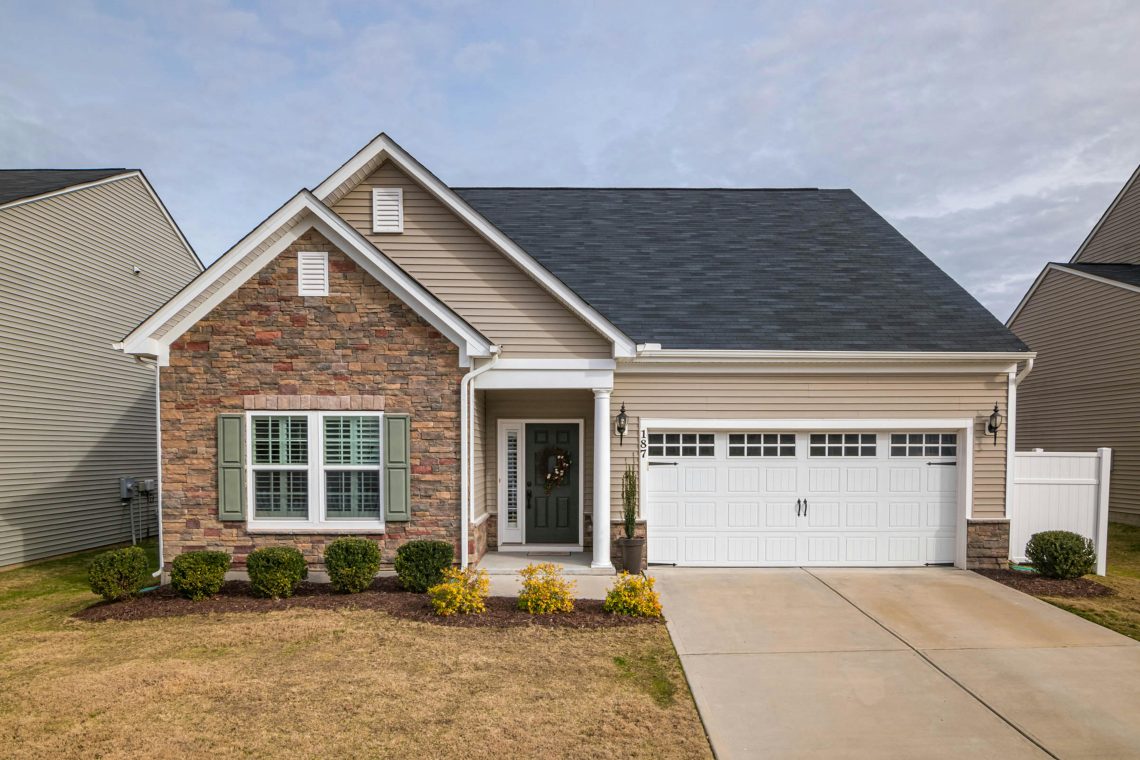
If you’ve been scrolling through real estate listings in Bend, you’ve likely noticed a common theme: whether for ease of accessibility, “aging in place,” or the simple desire for an open, flowing floor plan, the demand for single-level homes is stronger than ever. In 2026, as the Bend market settles into a rhythm of modest growth and stabilization, single-story homes have become a primary target for buyers looking for long-term value. Market Context: Why Single-Level? Bend’s market is currently characterized by constrained inventory and a healthy, persistent demand. While prices have risen modestly—around 5% year-over-year—buyers are more value-conscious than in previous years. For many, a single-level home is the ultimate…
-
12 Steps to Protect Your Home During Fire Season
Fire season is no longer just a few weeks out of the summer—in many areas, it is a year-round reality. While you can’t control the weather or stop a wildfire from starting, you have an incredible amount of control over how vulnerable your property is. As a homeowner, taking proactive steps doesn’t just protect your structure; it can significantly influence your homeowners insurance options and peace of mind. Here is a definitive, step-by-step checklist to prepare your home before the smoke appears. Phase 1: Defensible Space (Zones 0 to 2) The concept of “defensible space” means creating a buffer zone between your home and the oncoming fire. This slows the…
-
Understanding Coverage D: Loss of Use
When a catastrophe strikes, the damage to a home is often only the beginning of a homeowner’s financial burden. Coverage D, commonly known as Loss of Use or Additional Living Expenses (ALE), is a standard component of homeowners’ insurance that covers the costs of living elsewhere while a residence is being repaired or rebuilt (Bertelsen, 2020). Key Components of Coverage D This protection typically triggers when a “covered peril”—such as fire, windstorm, or lightning—renders the primary dwelling uninhabitable. It generally includes three main types of support: Additional Living Expenses (ALE): This covers increases in living costs, such as hotel stays, temporary apartment rentals, and even restaurant meals that exceed the…
-
How Oregon’s Climate Impacts Homeowners Insurance
In Central Oregon, the high desert landscape is as famous for its rugged beauty as it is for its climatic volatility. For homeowners in Bend, Redmond, and the surrounding Cascades, the environment is no longer just a backdrop for recreation—it is the primary architect of their insurance premiums. As of 2026, the intersection of shifting climate patterns and a tightening insurance market has turned “wildfire risk” from a regional concern into a defining financial factor for property owners. The Wildfire Reality and Premium Spikes Central Oregon’s climate is characterized by low humidity, frequent lightning, and persistent drought cycles—a trifecta for wildfire activity. While the region has always been fire-prone, the…
-
Protecting Your High Desert Investment: A Guide to Homeowners Insurance in Central Oregon
For many, living in Central Oregon is a lifelong dream. Between the jagged peaks of the Cascades and the sprawling beauty of the high desert, this region offers a lifestyle that is hard to match. However, the very geography that makes this area so stunning also introduces unique risks to your property. Whether you are settling into a craft bungalow in Bend, a ranch in Prineville, or a growing suburban neighborhood in Redmond, understanding your homeowners’ insurance needs is essential for long-term peace of mind. Why Local Context Matters Central Oregon isn’t a “one size fits all” insurance market. Each community has its own profile. Bend: As the region’s urban…
-
What does homeowners insurance actually cover?
Protecting your home is about more than just satisfying a mortgage requirement; it’s about safeguarding your peace of mind in the beautiful High Desert. Whether you are a long-time resident or a newcomer to Central Oregon, understanding Oregon homeowners’ insurance is the first step in protecting your greatest investment. In this post, we’ll break down exactly what a standard homeowners insurance policy covers and why choosing the right policy in Bend, Oregon, is vital for local residents. The Core Components of Homeowners Insurance Most standard policies are designed to cover a broad range of risks, typically referred to as “perils.” Here is a breakdown of the primary coverages: Dwelling Coverage:…
-
The High Desert’s Crown Jewel: About Bend Oregon
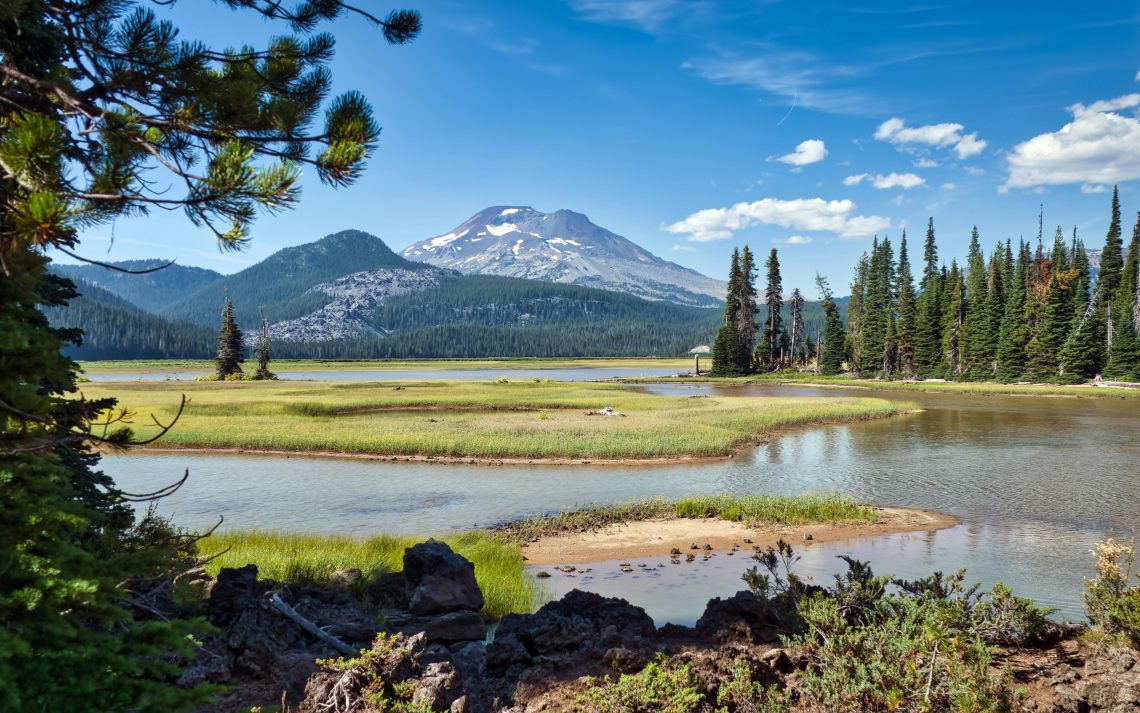
Nestled between the Great Basin and Cascade Mountains, Bend, Oregon, has grown from a logging town into a premier destination in the American West. With over 100,000 residents, it blends urban sophistication with unspoiled outdoor access, emblematic of the Pacific Northwest. The Outdoor Enthusiast’s Playground Bend’s appeal starts with its landscape. At 3,623 feet, the city enjoys a dry, high-desert climate and nearly 300 sunny days yearly, making it a year-round adventure base: Winter: Just 20 miles away, Mt. Bachelor offers renowned skiing and snowboarding, with a 360-degree summit descent and over 4,300 acres of terrain. Summer: As snow recedes, attention turns to the Deschutes River, cutting through the city.…