-
How Oregon’s Climate Impacts Homeowners Insurance
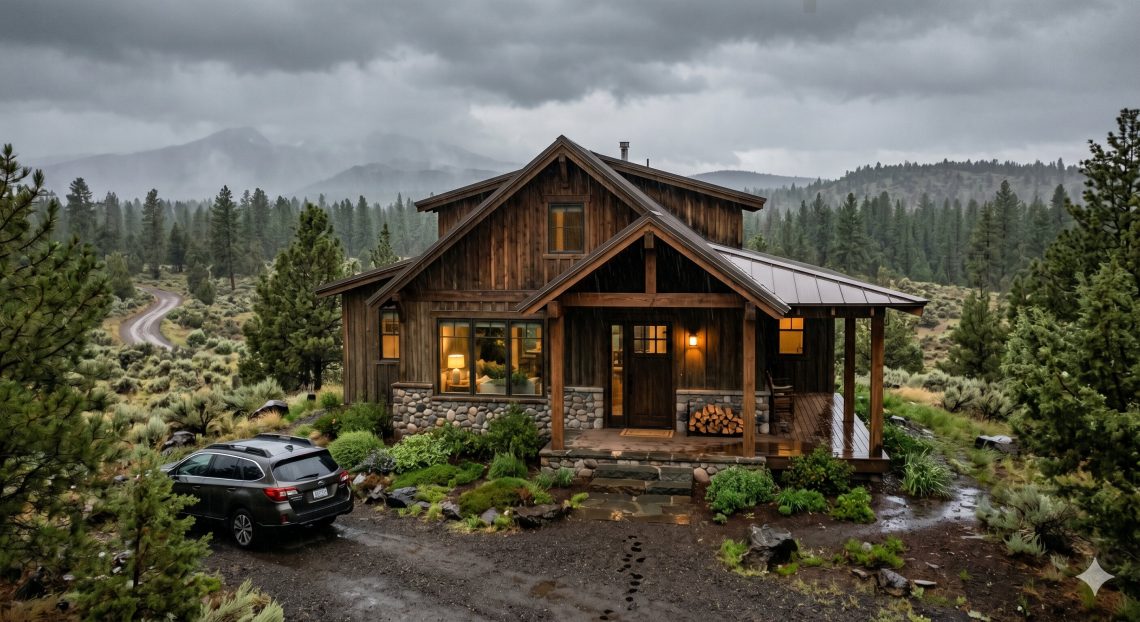
In Central Oregon, the high desert landscape is as famous for its rugged beauty as it is for its climatic volatility. For homeowners in Bend, Redmond, and the surrounding Cascades, the environment is no longer just a backdrop for recreation—it is the primary architect of their insurance premiums. As of 2026, the intersection of shifting climate patterns and a tightening insurance market has turned “wildfire risk” from a regional concern into a defining financial factor for property owners. The Wildfire Reality and Premium Spikes Central Oregon’s climate is characterized by low humidity, frequent lightning, and persistent drought cycles—a trifecta for wildfire activity. While the region has always been fire-prone, the…
-
Location, Location, Premium: Why Where You Live Matters
When shopping for a new home, you likely have a checklist: three bedrooms, a modern kitchen, and perhaps a quiet backyard. However, one factor often overlooked until the final closing stages is how your chosen location will affect your homeowners’ insurance premiums. Insurance is all about risk assessment, and where your home sits on a map tells an insurer a great deal about the likelihood of a future claim. Understanding these geographical factors can help you budget more effectively and avoid surprises. Here are five key reasons why location plays a pivotal role in determining your insurance costs. Proximity to Fire Services One of the most significant factors is your…
-
Differences between condo vs homeowners insurance
Researching condo vs homeowners insurance? Whether you are settling into a high-rise with a city view or a quiet suburban house with a white picket fence, protecting your investment is a top priority. However, the type of insurance you need depends entirely on the legal structure of your property. While both policies offer liability and personal property protection, the “bones” of what you actually own—and what you are responsible for—differ significantly. Here is a breakdown of the key differences between condo (HO-6) and homeowners (HO-3) insurance. 1. Condo vs homeowners insurance: What is Covered? The most fundamental difference lies in the dwelling coverage. Homeowners Insurance (HO-3): When you own a…
-
Protecting Your High Desert Investment: A Guide to Homeowners Insurance in Central Oregon
For many, living in Central Oregon is a lifelong dream. Between the jagged peaks of the Cascades and the sprawling beauty of the high desert, this region offers a lifestyle that is hard to match. However, the very geography that makes this area so stunning also introduces unique risks to your property. Whether you are settling into a craft bungalow in Bend, a ranch in Prineville, or a growing suburban neighborhood in Redmond, understanding your homeowners’ insurance needs is essential for long-term peace of mind. Why Local Context Matters Central Oregon isn’t a “one size fits all” insurance market. Each community has its own profile. Bend: As the region’s urban…
-
What does homeowners insurance actually cover?
Protecting your home is about more than just satisfying a mortgage requirement; it’s about safeguarding your peace of mind in the beautiful High Desert. Whether you are a long-time resident or a newcomer to Central Oregon, understanding Oregon homeowners’ insurance is the first step in protecting your greatest investment. In this post, we’ll break down exactly what a standard homeowners insurance policy covers and why choosing the right policy in Bend, Oregon, is vital for local residents. The Core Components of Homeowners Insurance Most standard policies are designed to cover a broad range of risks, typically referred to as “perils.” Here is a breakdown of the primary coverages: Dwelling Coverage:…
-
The High Desert’s Crown Jewel: About Bend Oregon
Nestled between the Great Basin and Cascade Mountains, Bend, Oregon, has grown from a logging town into a premier destination in the American West. With over 100,000 residents, it blends urban sophistication with unspoiled outdoor access, emblematic of the Pacific Northwest. The Outdoor Enthusiast’s Playground Bend’s appeal starts with its landscape. At 3,623 feet, the city enjoys a dry, high-desert climate and nearly 300 sunny days yearly, making it a year-round adventure base: Winter: Just 20 miles away, Mt. Bachelor offers renowned skiing and snowboarding, with a 360-degree summit descent and over 4,300 acres of terrain. Summer: As snow recedes, attention turns to the Deschutes River, cutting through the city.…
-
The Future of the Open Road: How Self-Driving Cars Will Reshape Your Car Insurance
We’ve all seen the futuristic vision of self-driving cars. You get into your vehicle, program your destination, and then relax while the car does all the driving. While it may still feel like science fiction, the technology is advancing rapidly. The widespread adoption of autonomous vehicles is closer than we think, and it’s going to have a profound impact on one industry in particular: car insurance. The core promise of self-driving cars is a significant reduction in human error, which is the leading cause of car accidents. According to the National Highway Traffic Safety Administration (NHTSA), 94% of traffic accidents are caused by human error, such as distracted driving, speeding,…
-
Understanding Homeowners Insurance Alarm Credits
When searching for homeowners’ insurance in Bend, Oregon, many residents look for ways to offset rising premiums. One of the most effective strategies is leveraging “alarm credits.” These are premium discounts offered by insurance carriers to reward homeowners for installing safety and security systems that mitigate the risk of property loss or damage. In the insurance industry, risk is everything. A home equipped with advanced monitoring is statistically less likely to suffer a catastrophic fire or a total-loss burglary. Because these systems reduce the probability that an insurer will have to pay out a large claim, they pass a portion of those savings back to you through these credits. How…
-
The 5 things in a home that cause house fires
When it comes to your home, “peace of mind” isn’t just a catchy phrase—it’s a priority. As a Oregon homeowner, you work hard to create a safe sanctuary for your family, but even the most well-kept houses have hidden risks. According to the National Fire Protection Association (NFPA), hundreds of thousands of home structure fires occur each year, many of which are preventable. To help you stay proactive, we’ve rounded up the top five most common causes of house fires and, more importantly, how you can prevent them. 1. Cooking Equipment It’s no surprise that the kitchen is the most dangerous room in the house. Cooking is the leading cause…
You May Also Like

Six Essential Items Every Homeowner Should Have for Emergencies
-
The Power of the Bundle: Why Bundling Homeowners Insurance is a Game-Changer
In an era where we bundle our streaming services, internet, and phone plans to snag a better deal, it is surprising how many homeowners still manage their insurance policies in silos. “Bundling”—or purchasing multiple types of insurance from a single provider—is one of the most effective strategies for protecting your assets while keeping your budget intact. Whether you are a first-time homeowner or a seasoned property owner, combining your home insurance with auto, life, or umbrella policies offers benefits that go far beyond a simple discount. Here is why bundling is a smart move for your financial future. 1. Substantial Cost Savings The most immediate perk of bundling is the…