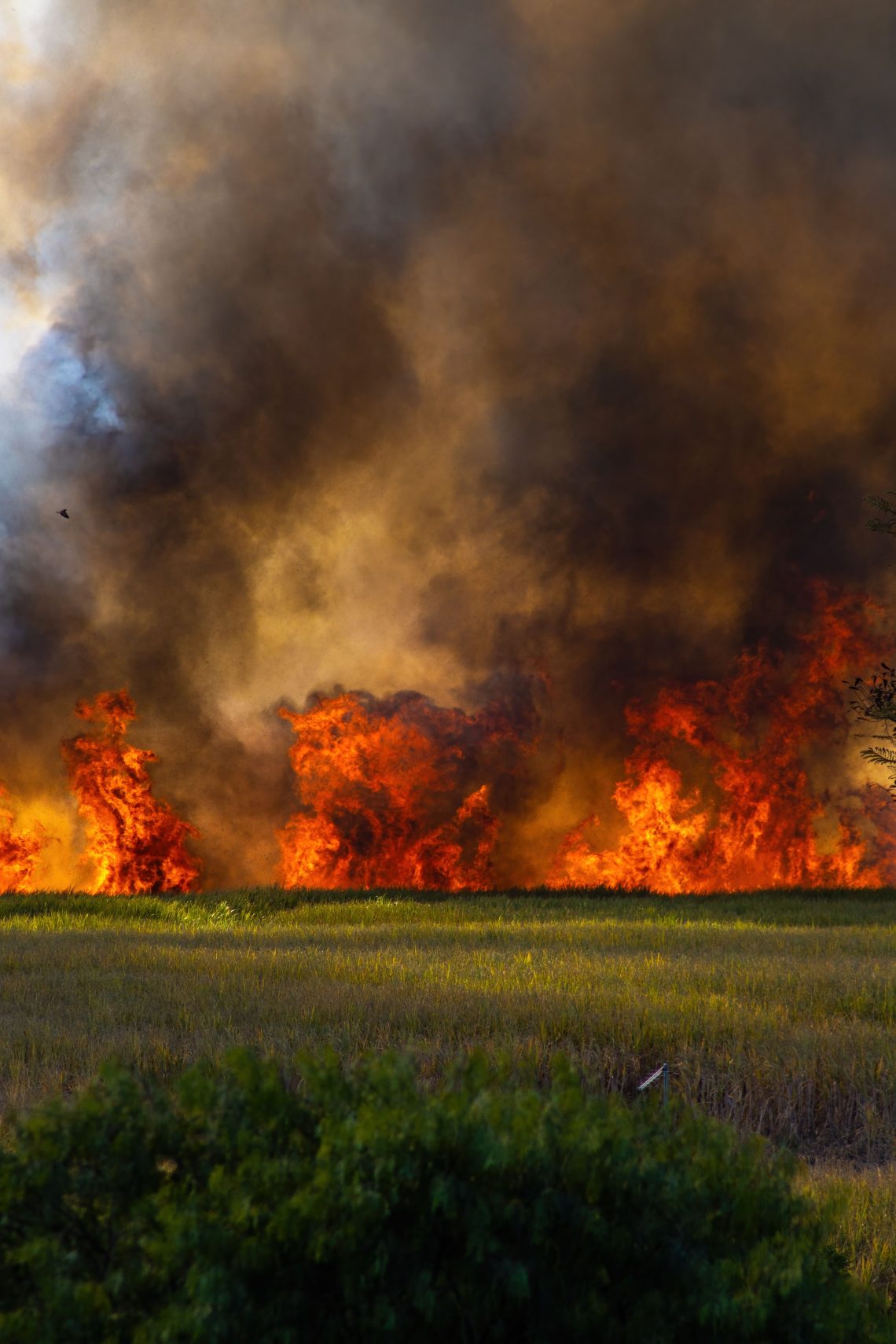
12 Steps to Protect Your Home During Fire Season
Fire season is no longer just a few weeks out of the summer—in many areas, it is a year-round reality. While you can’t control the weather or stop a wildfire from starting, you have an incredible amount of control over how vulnerable your property is.
As a homeowner, taking proactive steps doesn’t just protect your structure; it can significantly influence your homeowners insurance options and peace of mind. Here is a definitive, step-by-step checklist to prepare your home before the smoke appears.
Phase 1: Defensible Space (Zones 0 to 2)
The concept of “defensible space” means creating a buffer zone between your home and the oncoming fire. This slows the spread and gives firefighters a safe area to defend your property.
-
1. Clear the “Immediate Zone” (0 to 5 feet): This is the most critical area. Remove all combustible materials touching or within 5 feet of your house. Replace wood mulch with stone or gravel, pull up dead plants, and move firewood piles far away from the structure.
-
2. Clean Out Your Gutters and Roof: Dry leaves, pine needles, and twigs act as perfect tinder. A single flying ember landing in a debris-filled gutter can ignite your roofline in seconds. Clean them regularly during dry spells.
-
3. Prune Tree Branches Low to the Ground: Cut back any tree branches that hang over your roof. Additionally, trim lower branches on all trees up to 6 feet from the ground. This prevents a ground fire from climbing into the tree canopy (known as “ladder fuels”).
-
4. Space Out Your Landscaping: In the 5-to-30-foot zone, keep trees spaced at least 10 feet apart (more if you are on a steep slope). Opt for fire-resistant, high-moisture plants like succulents, French lavender, or maple trees rather than highly resinous plants like juniper or pine.
-
5. Keep the Lawn Mowed and Watered: A dry, overgrown lawn is an open invitation for wildfire. Keep your grass mowed down to 4 inches or less, and ensure it stays properly hydrated or cleared out if it dies off.
Phase 2: Hardening the Structure
“Home hardening” refers to using construction materials and design choices that resist heat and flying embers.
-
6. Retrofit Your Vents with Fine Mesh: Embers blowing into attic, crawlspace, or soffit vents destroy more homes than the actual fire front. Cover all vents with 1/16-inch to 1/8-inch metal mesh screen to block embers from slipping inside.
-
7. Upgrade to a Class A Fire-Rated Roof: If you are due for a Oregon roof replacement, choose materials with a Class A fire rating, such as asphalt shingles, metal, concrete, or clay tiles. Avoid wood shakes at all costs.
-
8. Install Dual-Pane, Tempered Glass Windows: Extreme heat from a wildfire can easily shatter single-pane glass, allowing embers directly into your living room. Dual-pane windows with tempered glass double the time it takes for heat to break the window.
-
9. Seal Gaps and Weatherstrip: Check the perimeter of your garage door, exterior doors, and pet doors. Install tight-fitting weatherstripping to prevent embers from being sucked into your home by the high winds wildfires create.
Phase 3: Emergency & Insurance Preparation
Physical defenses are only half the battle. You also need to protect your family and your financial investment.
-
10. Establish an Outdoor Water Source: Keep a 100-foot garden hose connected and ready to go. If you have a pool, hot tub, or well, consider investing in a portable, gas-powered water pump that firefighters can use if the main water pressure or electricity fails.
-
11. Create a Digital Home Inventory: Walk through every room of your house with your smartphone and record a detailed video of your belongings. Open drawers, call out serial numbers, and log high-value items. Store this video in the cloud. If you ever have to file a catastrophic claim, having this proof makes the process vastly smoother.
-
12. Conduct an Annual Insurance Review: Ensure your policy reflects current rebuilding costs, which have risen sharply due to inflation and material costs. Ask your agent specifically about “extended replacement cost” coverage, which provides a buffer if widespread local destruction drives up local construction prices overnight.
The Golden Rule of Wildfire Safety: No piece of property is worth your life. If local authorities issue an evacuation warning or order, pack your emergency “Go Bag” and leave immediately. Hardening your home gives it a fighting chance while you and your family get to safety.
Contact Us
For an affordable homeowners insurance quote contact us today at (541) 318-8835 or click here to contact us online.


You May Also Like

Do You Need Homeowners Insurance for Vacation Home?
What the Right Homeowners Insurance Policy Should Cover
