Does homeownrs insurance cover lightning and power surges?
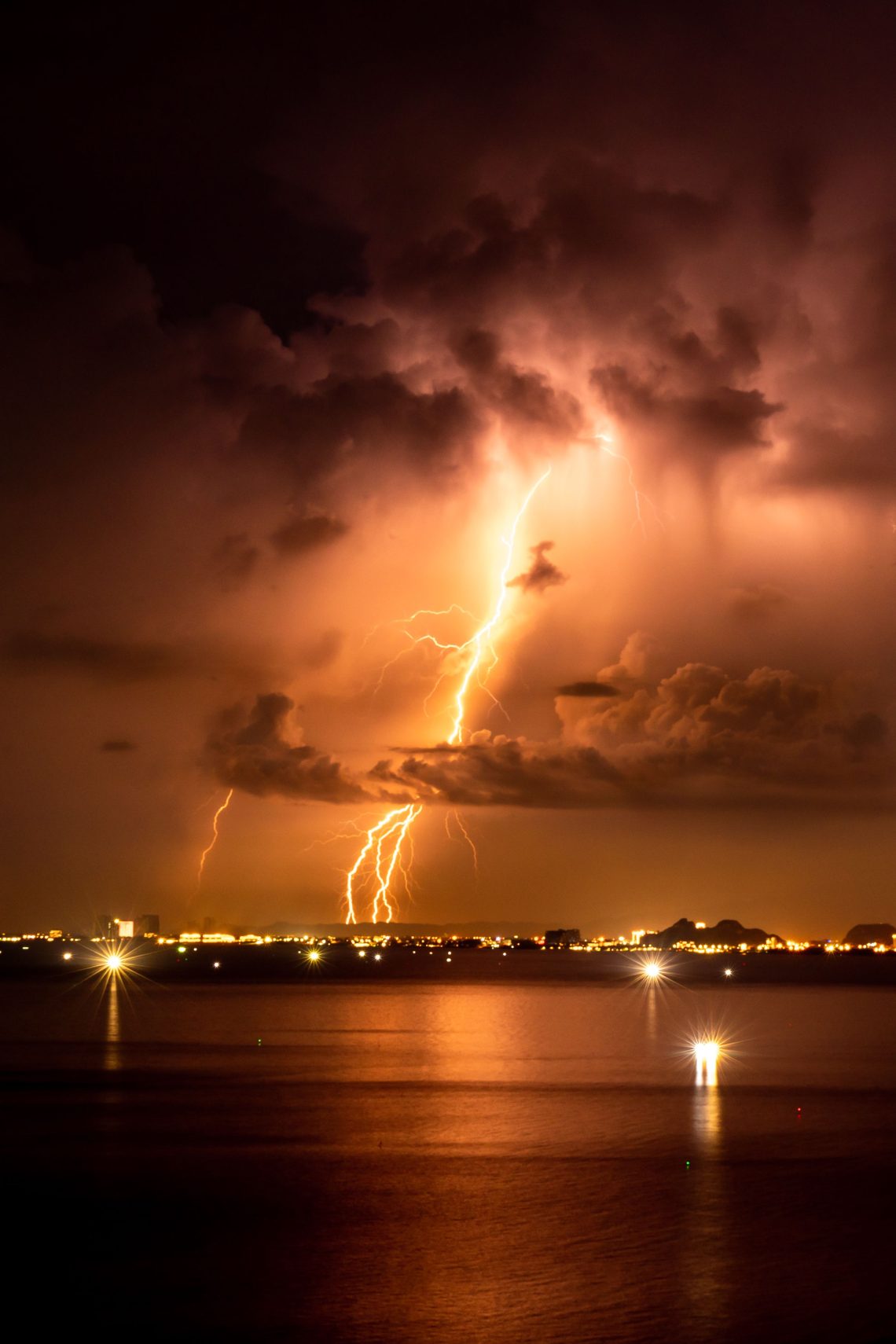
A sudden summer thunderstorm rolls in, lightning cracks directly overhead, and within a split second, your lights flash and the TV goes black. When the storm passes, you discover your smart refrigerator, entertainment system, and HVAC unit are completely dead.
As modern households fill with thousands of dollars in sensitive electronics and appliances, electrical damage is a growing threat. But when disaster strikes, does your homeowners insurance policy actually have your back?
The short answer is: usually yes for lightning, but it depends when it comes to power surges.
Understanding how insurance carriers differentiate between natural atmospheric events and grid-level electrical hiccups can save you thousands of dollars in denied claims and unexpected repairs.
Direct Lightning Strikes: Standard Covered Peril
Under almost every standard homeowners policy (HO-3 or HO-5), lightning is an explicitly listed named peril.
If lightning directly hits your home, coverage applies across multiple parts of your policy:
-
Dwelling Coverage (Coverage A): Covers structural repairs if the strike blows a hole through your roof, damages siding, or ignites an electrical fire.
-
Other Structures (Coverage B): Protects detached garages, sheds, or fences struck by lightning.
-
Personal Property (Coverage C): Reimburses you for damaged personal possessions, such as fried gaming consoles, televisions, or desktop computers, up to your policy limit and minus your deductible.
-
Loss of Use (Coverage D): Pays for temporary housing and meals if an electrical fire renders your home uninhabitable during repairs.
Even if lightning does not hit your Oregon roof directly, a strike to a nearby utility pole or tree can send millions of volts through incoming power lines. Most insurers treat this as lightning-induced surge damage and cover the resulting loss.

Power Surges: The Critical Fine Print
While lightning is straightforward, general power surges live in a gray area. Insurance providers categorize surges into two distinct buckets: natural surges and artificially generated electrical currents.
What Is Usually Covered
-
Lightning-Induced Surges: Voltage spikes caused directly by a nearby storm.
-
Downed Power Lines: If a storm knocks a tree onto power lines and causes a catastrophic voltage spike into your house, standard policies typically cover the damage.
-
Resulting Fire or Explosions: Even if an insurer denies coverage for the electrical surge itself, any subsequent physical fire caused by a short circuit is almost universally covered.
What Is Frequently Excluded
Most standard policies contain a specific exclusion for damage caused by “artificially generated electrical currents”. This excludes:
-
Utility Grid Switching: Voltage spikes caused by your local electric company restoring power after a blackout or re-routing regional loads.
-
Internal Electrical Overloads: Surges caused within the home, such as a failing compressor in an aging AC unit tripping circuits and burning up wiring.
-
Component-Level Wear and Tear: Policies often refuse payouts for damaged internal microprocessors, transistors, and tubes unless you hold dedicated endorsements.
If your electric company caused the surge during transformer maintenance, you may have to file a damage claim directly with the utility provider rather than your insurer.

How to Close the Coverage Gap: Equipment Breakdown Insurance
Because standard policies often exclude utility spikes and internal mechanical breakdowns, many homeowners add an Equipment Breakdown Endorsement (often available for $25 to $50 per year).
This endorsement bridges the gap by covering sudden and accidental mechanical, electrical, and pressure system failures. If an artificial power surge fries your $8,000 heat pump or furnace control board, an equipment breakdown endorsement steps in where standard Coverage C falls short.
What to Do If a Surge Occurs
-
Prioritize Safety: If you smell burning plastic, notice scorched outlets, or see smoke, shut off the main breaker and contact emergency services.
-
Document Everything: Take high-resolution photos of damaged outlets, breaker panels, and fried appliances before unplugging or moving them. Keep all damaged hardware until the adjuster completes their inspection.
-
Hire a Licensed Electrician: Insurers require proof of cause. An electrician can inspect your panel and write a formal statement certifying whether the damage matches a sudden lightning discharge or routine electrical wear.
-
Weigh the Deductible: If a power surge destroys a single $400 monitor and your deductible is $1,000, filing a claim makes no sense. Save insurance claims for catastrophic multi-appliance losses that comfortably exceed your out-of-pocket threshold.

Practical Steps to Protect Your Home
Rather than navigating claims adjusters, proactive defense is your best financial move:
-
Install Whole-Home Surge Protection: A Type 2 surge protective device (SPD) mounted at your main service panel intercepts utility spikes before they ever reach your interior wiring.
-
Use Point-of-Use Surge Protectors: Replace basic cheap power strips with UL-certified surge suppressors carrying high joule ratings for expensive gaming rigs and home theaters.
-
Unplug During Major Storms: When severe weather warnings trigger, unplug your most valuable, irreplaceable equipment.
Get A Homeowners Insurance Quote
For an affordable homeowner insurance quote, contact us today by calling (541) 318-8835 or click here to connect with us online.

You May Also Like

12 Steps to Protect Your Home During Fire Season

5 Smart Ways to Save Money on Homeowners Insurance