Can swimming pools affect your homeowners insurance policy?
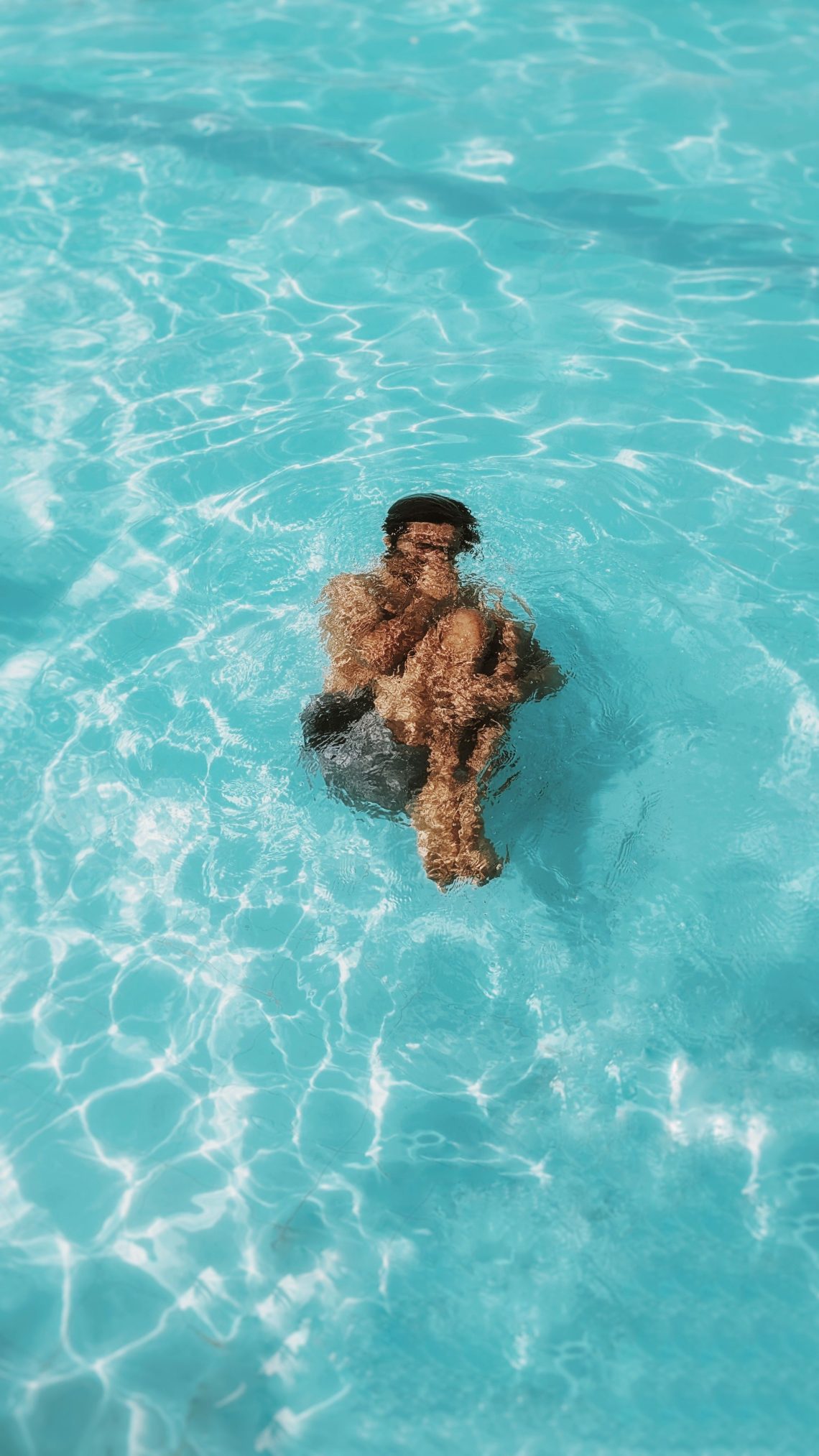
Adding a swimming pool transforms your backyard into a private Oregon summer retreat, but it also alters your risk profile in the eyes of insurers. Before taking the plunge, it is essential to understand how a pool influences your homeowners insurance coverage, premiums, and liability needs.
Increased Liability Risk and “Attractive Nuisances”
From an underwriting perspective, insurance companies classify swimming pools as attractive nuisances—features that naturally entice people, particularly children, into potential danger. Because pools carry inherent risks of accidental slips, falls, and drownings, liability is the primary reason your policy changes.
A standard homeowners policy typically includes $100,000 in personal liability coverage. For a home with a pool, insurance professionals generally recommend increasing that limit to at least $300,000 to $500,000. Furthermore, many pool owners opt for an umbrella insurance policy, which provides $1 million or more in supplemental liability protection beyond standard policy caps at a relatively modest annual cost.
Higher Premiums and Policy Adjustments
Because of the increased liability exposure and the higher replacement value of your property, adding a pool will almost certainly raise your annual insurance premium. The exact increase varies depending on:
-
Pool Type: In-ground pools generally add more property value and permanent risk than temporary, above-ground pools, which insurers may classify as personal property rather than an attached structure.
-
Safety Features: Installing multi-layered safety barriers—such as a four-foot self-latching fence, pool alarms, and locked safety covers—can help minimize rate spikes and may even qualify you for specific safety discounts.
-
Features and Add-ons: Diving boards and multi-story slides dramatically increase the statistical likelihood of severe injury. Some insurers will charge significantly higher premiums for them, while others may exclude them from coverage entirely.
Structural Coverage Requirements
Your pool itself requires physical protection against unexpected damage. In-ground pools are usually covered under the “Other Structures” portion of your policy (Coverage B), typically capped at 10% of your primary dwelling limit. If your home is insured for $400,000, your default other-structures limit is $40,000. If your custom in-ground pool cost $70,000 to build, you will need to purchase an endorsement to increase your Coverage B limit. Keep in mind that standard policies cover sudden events like falling trees, but exclude routine maintenance issues such as freezing pipes, cracked plaster, or normal wear and tear.
Always notify your insurer before starting construction to confirm specific safety requirements and ensure your coverage limits match your new investment.
Get a homeowners insurance quote by calling us at (541) 318-8835 or click here to connect with us online.


You May Also Like
The Importance of Homeowners Insurance in Redmond, Oregon
Understanding Homeowners Insurance in Bend Oregon